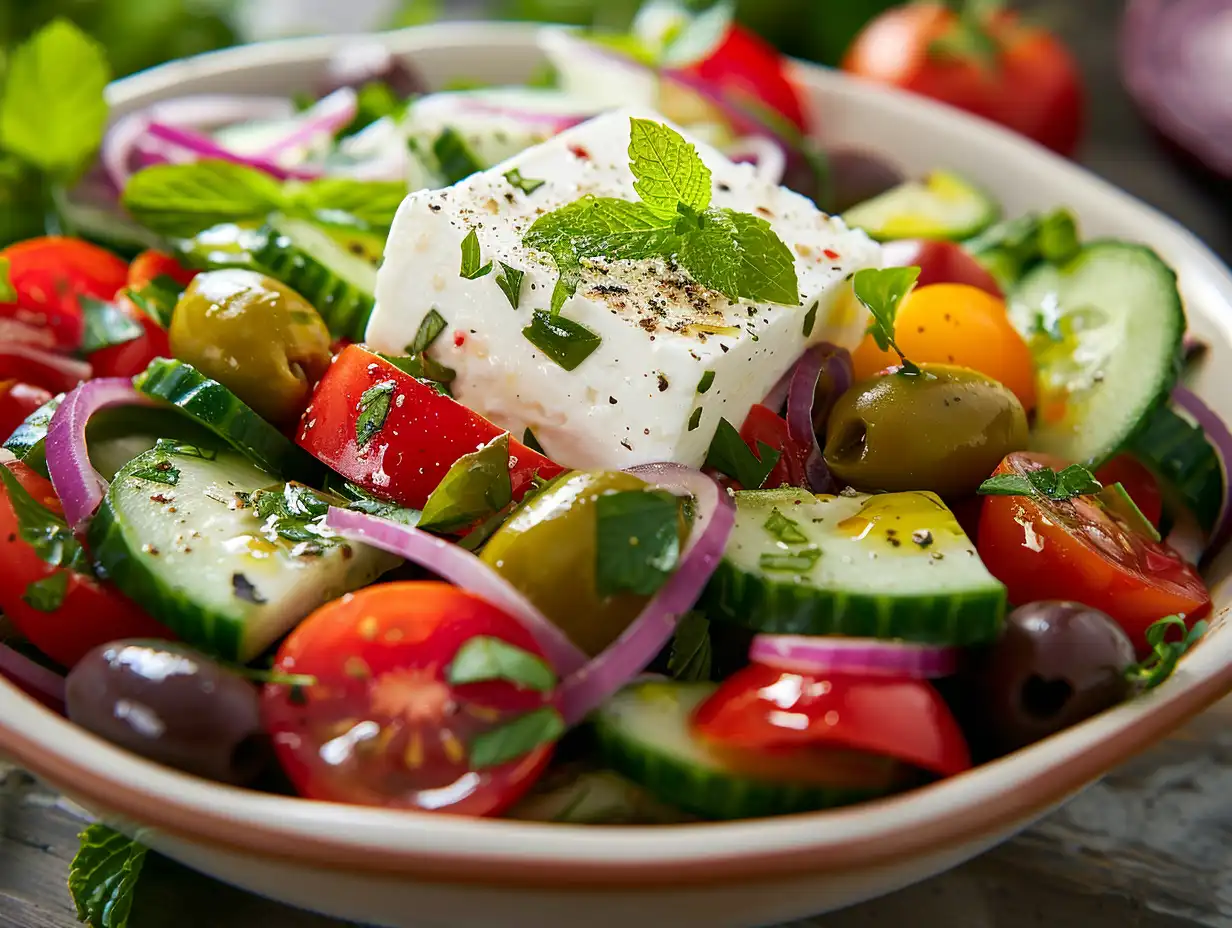
Authentic Horiatiki: The 7-Ingredient No-Lettuce Greek Salad You Need to Master
Forget everything you thought you knew about
Greek salad if it involved wilted lettuce and limp vegetables. The true taste of Greece, embodied in its iconic "horiatiki salata" – or village salad – is a revelation of fresh, vibrant flavors and satisfying textures. This isn't just a side dish; it's a testament to the power of simple, high-quality ingredients, thoughtfully prepared. Often enjoyed as a hearty meal on its own, especially during warm summer evenings, an authentic horiatiki is crunchy, loaded with flavor, and surprisingly wholesome. It's a culinary experience that transports you straight to a sun-drenched Greek taverna, no passport required.
Unveiling the True Greek Salad: Horiatiki's Authentic Charm
In Greece, the term "horiatiki" means "from the village," and this salad truly lives up to its name. It's a rustic, no-frills creation built on the principle of showcasing peak-season produce. If you've ever been to a traditional Greek eatery, you'll immediately notice the absence of lettuce, croutons, or any other "filler." This deliberate exclusion is what sets the horiatiki apart from its Westernized cousins. The focus is entirely on a beautiful jumble of chunky, raw vegetables, united by the bold flavors of feta, Kalamata olives, and copious amounts of the finest extra virgin olive oil.
The magic of this
no-lettuce Greek salad lies in its straightforward approach. There's no complicated prep or lengthy cooking process. Instead, it relies on the intrinsic quality of each component, allowing their natural flavors to shine. This simplicity is not a lack of sophistication, but rather a profound understanding of what makes food truly delicious and satisfying. It's a celebration of nature's bounty, a dish that makes perfect sense on a warm day when the tomatoes are at their absolute best, and the kitchen light feels just right.
The Magnificent Seven: Core Ingredients of a Classic Greek Salad
While its essence is simplicity, an authentic horiatiki demands a careful selection of its core components. Here are the seven essential ingredients that form the backbone of this quintessential
traditional Greek salad recipe:
1.
Ripe Tomatoes: The undisputed star. Whether you opt for large, juicy beefsteaks at peak summer ripeness or sweet cherry tomatoes, they must be bursting with flavor. Cherry tomatoes, when halved, release less liquid, helping your salad stay vibrant for hours. However, a perfectly ripe, large tomato, cut into substantial wedges, offers an unparalleled juiciness.
2.
Crisp Cucumber: A cooling counterpoint to the rich flavors. Opt for an English cucumber, and critically, always seed it. A quick scoop with a spoon after cutting it lengthwise removes the watery core, preventing that tell-tale puddle at the bottom of the bowl. Slice into thin half-moons for the ideal texture in every bite.
3.
Creamy Feta Cheese: This isn't just any feta. It should be a generous block of authentic Greek feta, typically made from sheep's or a mix of sheep's and goat's milk. Crucially, it's cut into substantial cubes, not crumbled. This allows you to savor its soft, creamy saltiness in every mouthful, rather than having it dissolve into the other ingredients. Some traditions even serve it as a single slab on top, allowing you to break off pieces as you eat.
4.
Kalamata Olives: These deep purple, almond-shaped olives are indispensable. Their briny, fruity, and slightly tart flavor adds a distinct depth. Always use whole, pitted Kalamata olives for that satisfying pop and authentic touch.
5.
Sweet Green Bell Pepper: Cut into one-inch squares, the green bell pepper is a classic horiatiki element. Its mild bitterness provides a crucial balance to the sweetness of the tomatoes, creating a more complex flavor profile than red or yellow varieties would.
6.
Sharp Red Onion: Thinly sliced red onion adds a piquant bite and aromatic depth. For those sensitive to raw onion, a quick soak in cold water for 10-15 minutes can mellow its intensity without sacrificing flavor.
7.
Fragrant Dried Oregano: This is the soul of the seasoning. A generous pinch of dried Greek oregano, preferably rubbed between your palms just before sprinkling, unlocks its potent aromatic oils. Some recipes also include a handful of fresh mint, but oregano is the universal cornerstone.
These seven elements, combined with the finest extra virgin olive oil and a pinch of sea salt, create a harmony of flavors that is truly irresistible.
Beyond Flavor: The Health Benefits of Your No-Lettuce Greek Salad
An authentic
Greek salad isn't just delicious; it's a nutritional powerhouse, a cornerstone of the celebrated Mediterranean diet. The combination of fresh vegetables and healthy fats creates a synergy that boosts its health-promoting properties.
One of the most remarkable aspects lies in the humble tomato. The bright red pigment, lycopene, responsible for the tomato's vibrant color, is a potent antioxidant with significant cancer-fighting properties. However, here's where the traditional wisdom meets modern science: the bioavailability of lycopene dramatically increases—by up to 300%—when paired with the healthy fats found in extra virgin olive oil. This is why a generous hand with olive oil isn't just for flavor; it's literally unlocking more of those vital antioxidants.
But there's an even deeper secret known to traditional Greek villagers: this absorption boost only happens when the tomatoes are at room temperature, not cold from the fridge. When preparing your horiatiki, pull your tomatoes out at least 30 minutes before assembling. This simple step, steeped in generations of Mediterranean wisdom, ensures you're not just enjoying a tasty salad, but truly maximizing its nutritional density. For more in-depth knowledge on this fascinating topic, explore
The Room Temperature Secret: Maximize Greek Salad's Health Benefits.
Crafting Your Horiatiki: Tips for an Irresistible Experience
Creating an unforgettable
authentic Greek salad goes beyond just gathering the right ingredients; it’s about how you bring them together.
Firstly, **quality matters immensely**. Invest in the best extra virgin olive oil you can find. It’s not just a dressing; it’s a foundational flavor and a key to nutrient absorption. Be generous with it—don't shy away from pouring twice what many modern recipes suggest. The vegetables should glisten, but not drown.
Secondly, **respect the temperature**. As mentioned, bringing your tomatoes to room temperature is paramount for both flavor and health benefits. Beyond that, the entire salad benefits from being served at ambient temperature, allowing all the individual flavors to meld and deepen beautifully. It’s a sensory experience that chilled vegetables simply can’t replicate.
Thirdly, **season simply but effectively**. A pinch of sea salt and a grind of black pepper, along with that generous sprinkle of dried Greek oregano, is all you need. Resist the urge to add vinegar; the natural acidity of the tomatoes, balanced by the brininess of the feta and olives, is usually enough. If you desire a touch more tang, a tiny splash of red wine vinegar can be added, but sparingly.
Finally, **don't overmix**. A gentle toss just before serving is ideal to coat everything in that glorious olive oil and distribute the seasonings. The beauty of horiatiki is its vibrant jumble of distinct textures and colors. This salad stays fresh and vibrant for hours when prepared correctly, especially if using cherry tomatoes and seeding your cucumber, preventing that dreaded watery base. For additional techniques and nuances that elevate your horiatiki from good to extraordinary, delve into
Mastering Traditional Greek Salad: Flavor, Health & Horiatiki Tips.
In conclusion, the authentic horiatiki is more than just a
Greek salad; it's a philosophy. It’s about celebrating fresh, honest ingredients, embracing simplicity, and understanding the profound connection between food, culture, and well-being. By following these traditional methods and focusing on quality, you can bring the vibrant, irresistible taste of a true Greek village to your own table, anytime you desire. It’s a dish that truly is greater than the sum of its parts.