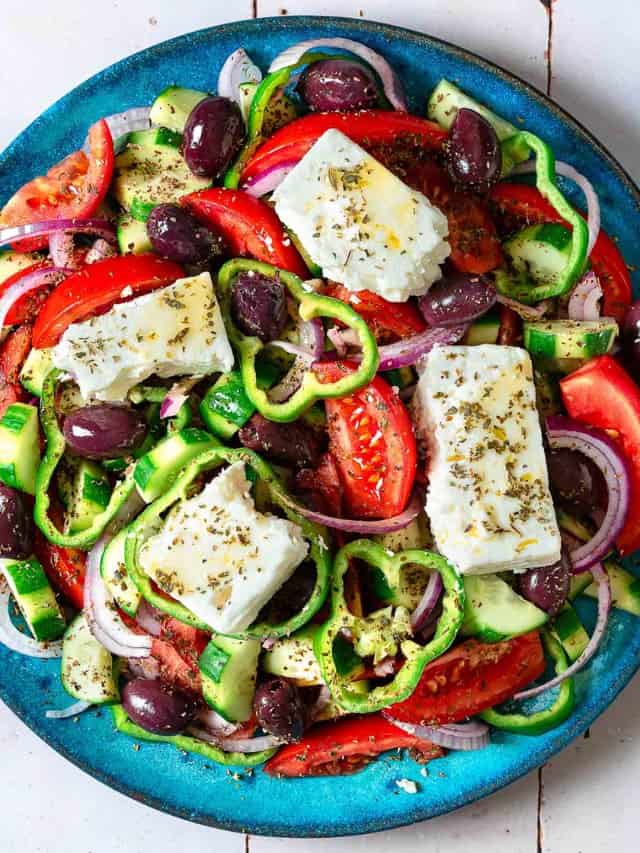
The greek salad, known in its homeland as Horiatiki Salata or simply "village salad," is far more than just a refreshing side dish. It's a vibrant celebration of Mediterranean bounty, a testament to simplicity, and surprisingly, a nutritional powerhouse. With its crisp textures, bold flavors, and vibrant colors, a truly authentic Greek salad is an experience that transcends mere sustenance, offering a taste of sun-drenched Greek landscapes in every bite. Whether you're seeking a light, flavorful meal or the perfect accompaniment to your dinner, mastering this traditional dish is a journey worth taking.
Beyond the Bowl: Unlocking the Nutritional Superpowers of Traditional Greek Salad
What if we told you that your beloved greek salad isn't just delicious, but a strategic culinary choice for maximizing health benefits? The combination of fresh tomatoes and extra virgin olive oil, central to any genuine Horiatiki, creates a synergistic effect that elevates its nutritional profile exponentially. This isn't just folk wisdom; it's backed by modern science.
At the heart of this phenomenon is lycopene, the powerful antioxidant responsible for the vibrant red hue of tomatoes. Lycopene's bioavailability – how much your body can actually absorb and utilize – dramatically increases when paired with healthy fats, like those found abundantly in high-quality extra virgin olive oil. Studies show this absorption can skyrocket by up to 300%! But here’s the game-changing secret few people realize: this incredible boost only occurs when the tomatoes are at room temperature, not chilled straight from the refrigerator. This is precisely why traditional Greek villages always serve their Horiatiki at ambient temperatures – it’s a time-honored practice rooted in intuitive understanding of nutrition.
When you prepare your greek salad, make it a point to pull your tomatoes out at least 30 minutes before assembly. And don't be shy with that olive oil! Being generous with this liquid gold not only enhances the salad’s rich flavor but actively unlocks more of those cancer-fighting antioxidants. You're not just making the salad taste better; you're literally transforming it into a more potent, nutritionally dense dish. It’s a perfect illustration of Mediterranean wisdom beautifully aligned with scientific discovery. For a deeper dive into this fascinating topic, explore The Room Temperature Secret: Maximize Greek Salad's Health Benefits.
Horiatiki Unveiled: The Authentic Greek Salad – No Lettuce Allowed!
If you've ever savored a traditional greek salad in Greece, particularly in a quaint taverna, you'll know one fundamental truth: there is no lettuce. The notion of a Greek salad featuring leafy greens is a Western adaptation, not a part of the true Horiatiki Salata tradition. The authentic "village salad" is built entirely upon chunky, raw vegetables, celebrating their inherent textures and flavors without any need for filler or unnecessary frills like croutons.
This unwavering commitment to simplicity and honest ingredients is what defines its enduring appeal. What you get instead is a beautiful jumble of color and texture: the creamy saltiness of a generous block of feta, the briny burst of whole Kalamata olives, the sweet crunch of green bell pepper, and the unparalleled freshness of ripe, sun-kissed tomatoes paired with cool, crisp cucumber. It's a culinary philosophy that has stood the test of centuries, proving that sometimes, the fewest ingredients, when perfectly chosen and prepared, yield the most extraordinary results. To understand more about the core elements of this iconic dish, check out Authentic Horiatiki: The 7-Ingredient No-Lettuce Greek Salad.
The Quintessential Ingredients: A Symphony of Fresh Flavors
Crafting the perfect greek salad hinges on the quality and preparation of its core components. Each ingredient plays a vital role in creating that irresistible balance of sweet, salty, tangy, and fresh.
- Tomatoes: These are the undisputed stars. Seek out the ripest, most flavorful tomatoes you can find, ideally in peak summer season. While large, juicy slicing tomatoes are classic, cherry tomatoes, halved, offer a fantastic alternative. They tend to release significantly less liquid, helping your salad stay fresh and vibrant for hours instead of becoming watery within minutes. Remember the room temperature rule for maximum flavor and nutritional benefits!
- Cucumber: An English cucumber is ideal for its milder flavor and fewer seeds. The trick to avoiding a watery salad bowl? Always seed your cucumber. Simply slice it lengthwise, then run a small spoon along the center to scoop out the watery core. This simple step takes mere seconds and makes a world of difference. Slice the deseeded cucumber into thin half-moons for the perfect texture in every bite.
- Feta Cheese: This is where quality truly shines. Opt for a good quality block of Greek feta, preferably from sheep's or goat's milk. Resist the urge to crumble it! Instead, cut it into generous, rustic cubes or place a large, thick slice directly on top of the salad. This allows you to savor its soft, creamy texture and distinct salty tang, letting it melt slightly into the dressing.
- Kalamata Olives: These dark, almond-shaped olives are a must. Their distinct briny, fruity flavor and firm texture add a crucial layer of complexity. Use whole olives, pits and all, as their flavor is superior to pitted versions.
- Green Bell Pepper: The mild bitterness and crisp sweetness of green bell pepper, cut into one-inch squares, are classic for Horiatiki. It provides a delightful counterpoint to the sweetness of the tomatoes and adds a refreshing crunch.
- Red Onion: While not always listed in the absolute 'core 7', thinly sliced red onion is a common and welcome addition, offering a pungent bite that beautifully cuts through the richness of the other ingredients. Soaking it briefly in ice water can mellow its sharpness if preferred.
- Herbs & Seasoning: A generous pinch of dried Greek oregano is non-negotiable, imparting an earthy, aromatic warmth. Fresh mint, though optional, can add a bright, refreshing lift. A good crack of black pepper and a pinch of salt (being mindful of the feta and olives) complete the seasoning.
Crafting Your Masterpiece: Tips for the Perfect Greek Salad
Assembling your greek salad is straightforward, but a few expert tips can elevate it from good to absolutely extraordinary.
- Prepare & Combine Thoughtfully: Ensure all your vegetables are chopped to similar, rustic sizes for a cohesive mouthfeel. Gently combine the tomatoes, cucumbers, bell peppers, and red onion in a large bowl.
- The Dressing is Key: The dressing for a traditional Horiatiki is elegantly simple: the highest quality extra virgin olive oil you can afford, and a splash of red wine vinegar. Many recipes call for a specific amount of olive oil, but a true connoisseur will tell you to be generous – often twice what standard recipes suggest. Remember, it's not just for flavor; it's unlocking those nutrients! The olive oil should coat every ingredient without drowning it.
- Seasoning with Precision: Sprinkle generously with dried oregano. Add salt and pepper to taste, remembering that feta and Kalamata olives contribute significant saltiness.
- The Feta Finale: Place your beautiful block or cubes of feta on top of the dressed vegetables, allowing it to subtly absorb the flavors and olive oil. This prevents it from breaking down too much if mixed in directly.
- Serve at Ambient Temperature: Reiterate the importance of this for both flavor and health benefits. A cold salad dulls the vibrant tastes of the fresh produce.
- Best When Fresh: While the salad can be prepared a little in advance, it truly shines when eaten soon after assembly, especially when the tomatoes are perfectly ripe. The longer it sits, the more liquid will accumulate, even with the best preparation methods.
This greek salad is a cornerstone of the Mediterranean diet, renowned globally for its health benefits and delicious simplicity. It's a dish that embodies the very essence of healthy eating – fresh, whole ingredients coming together in perfect harmony.
From weeknight dinners to lazy Sunday lunches and lively summer gatherings, this traditional Greek salad will undoubtedly become a much-requested staple. Its ease of preparation belies its profound impact on your palate and your well-being. By embracing these simple, authentic techniques and understanding the science behind them, you're not just making a salad; you're crafting a masterpiece of flavor, health, and Mediterranean heritage.
